
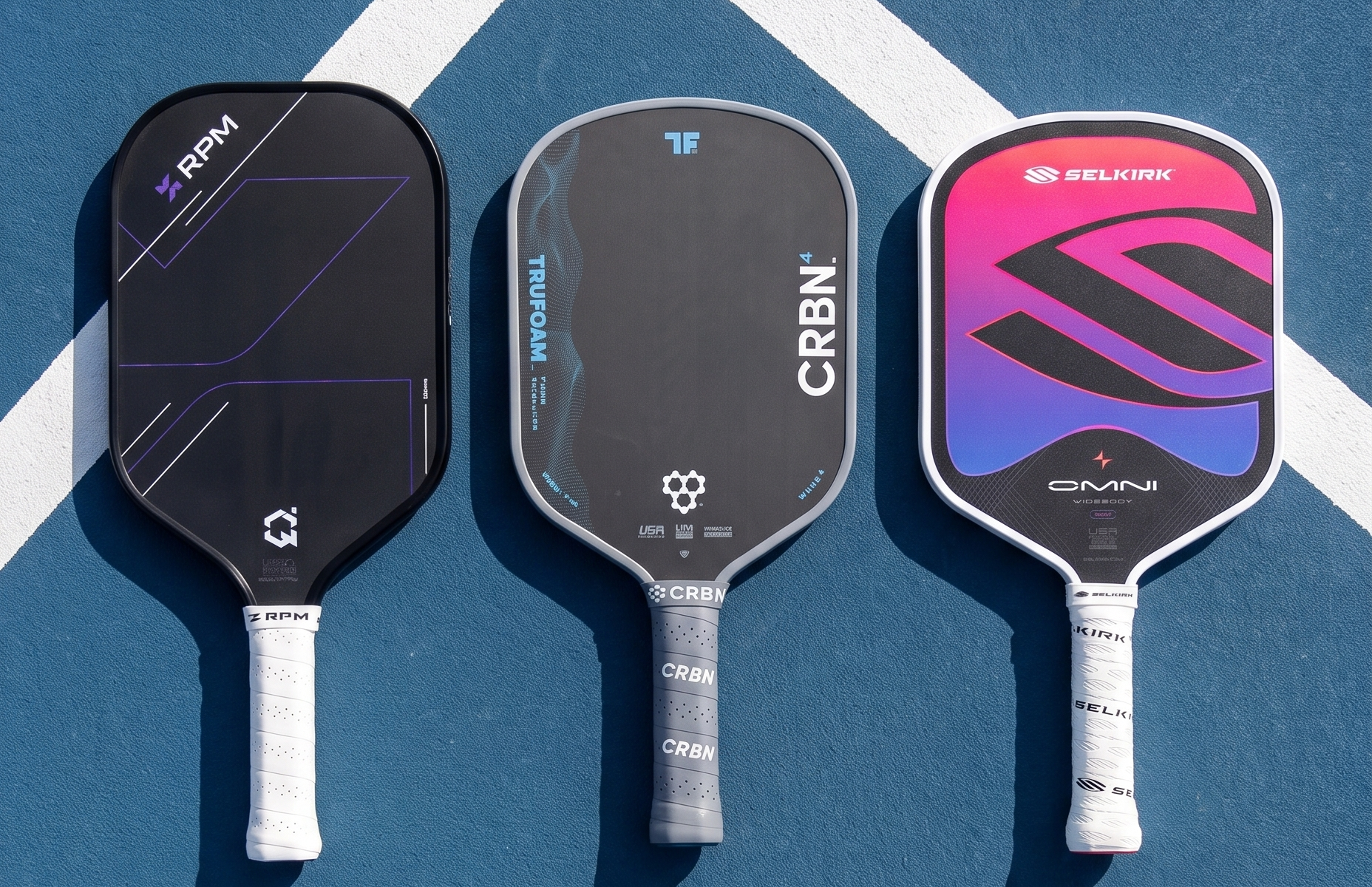
Walk into any paddle conversation and you'll hear about cores, carbon, thermoforming and swing weight. All of it matters eventually. None of it matters as much as the outline of the thing.
Shape is the first fork in the road, because it's the one spec you cannot adjust later. You can add lead tape, change the grip, buy a different overgrip, get used to a stiffer core. You cannot make a 16.5-inch paddle forgiving, and you cannot make a 15.95-inch paddle reach.
So here's the whole picture: one trade-off, three shapes, and a verified pick for each at a few different budgets.
The one trade-off behind all three shapes
Every USA Pickleball-approved paddle has to obey one rule: length plus width cannot exceed 24 inches. That single constraint is why paddle shapes exist at all. Manufacturers aren't choosing between good and bad designs — they're spending a fixed budget of 24 inches, and every inch of length they buy has to be paid for in width.
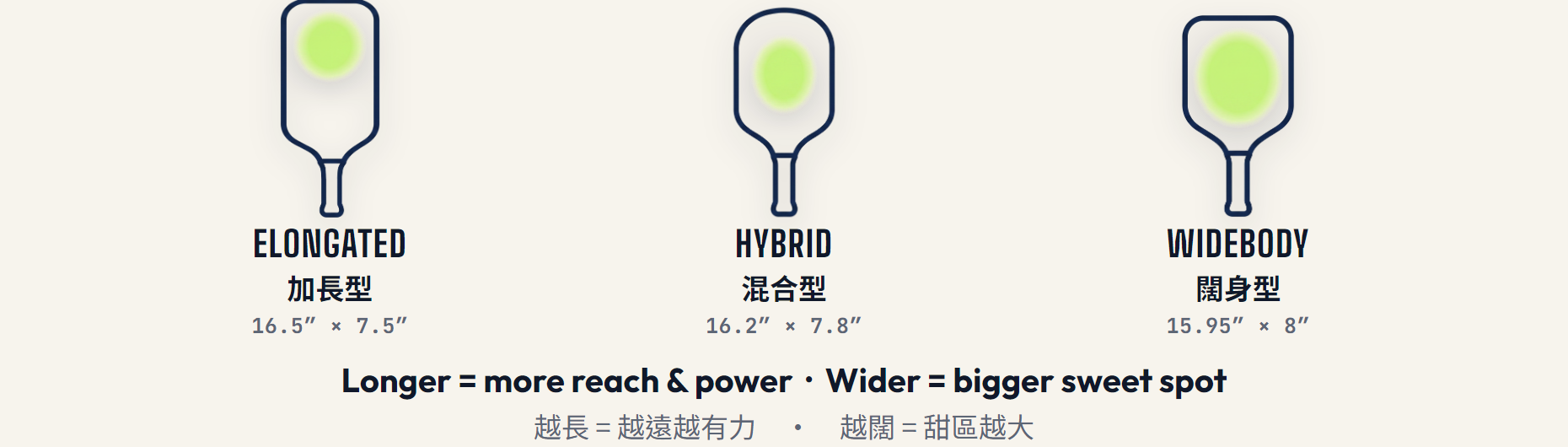
That's genuinely it:
- Longer = more reach at the net and stretch, and more leverage on drives and serves, because the contact point sits further from your hand.
- Wider = a bigger, rounder sweet spot and more stability on off-centre hits, because the mass is spread across the face instead of stretched up it.
Everything else people say about shape is downstream of that sentence.
| Elongated | Hybrid | Widebody | |
|---|---|---|---|
| Typical size | ~16.5″ × 7.4″ | ~16.2″ × 7.7″ | ~15.9″ × 8.1″ |
| Reach | ● ● ● | ● ● | ● |
| Sweet spot | ● | ● ● | ● ● ● |
| Hand speed at the net | ● | ● ● | ● ● ● |
| Power on drives | ● ● ● | ● ● | ● ● |
| Forgiving off-centre | ● | ● ● | ● ● ● |
One number does most of the work here: width. If you only remember one thing from this guide, make it that a paddle's width predicts how forgiving it feels far better than its price does.
How to read a paddle spec sheet
Manufacturers rarely print the word "elongated" in big letters. They print numbers. Four of them tell you almost everything:
- Length. 16.5″ is the legal-ish practical maximum you'll see; 15.5–16″ is short. This is your reach.
- Width. 7.3″ is narrow, 8″+ is wide. This is your forgiveness.
- Handle length. 5.5″+ gives room for a two-handed backhand; 4.75–5.25″ does not. Longer handles usually come attached to longer faces, because that inch has to come from somewhere.
- Swing weight. Not a shape spec, but shape drives it — longer paddles put mass further from your hand, which is why elongated paddles feel heavier than the scale says.
If a listing gives you length and width, you can classify the shape yourself and ignore whatever marketing name is on the box. Which, as it turns out, you often have to.
Elongated — reach and leverage
Roughly 16.5″ long and 7.3–7.5″ wide. The extra length puts your contact point further from your hand, so serves and drives get more whip and you can cover balls at the net you'd otherwise wave at.
The cost is real and it shows up immediately: the sweet spot is a narrow band up the middle of the face. Mishits don't just lose a bit of pace, they die. Elongated paddles reward players who already make clean contact consistently, which is why they're everywhere at 4.0+ and a common source of frustration below 3.5.
Buy this shape if you drive from the baseline, you play singles, you're tall or coming from tennis, or you want a two-handed backhand. Skip it if you're still finding the middle of the paddle.
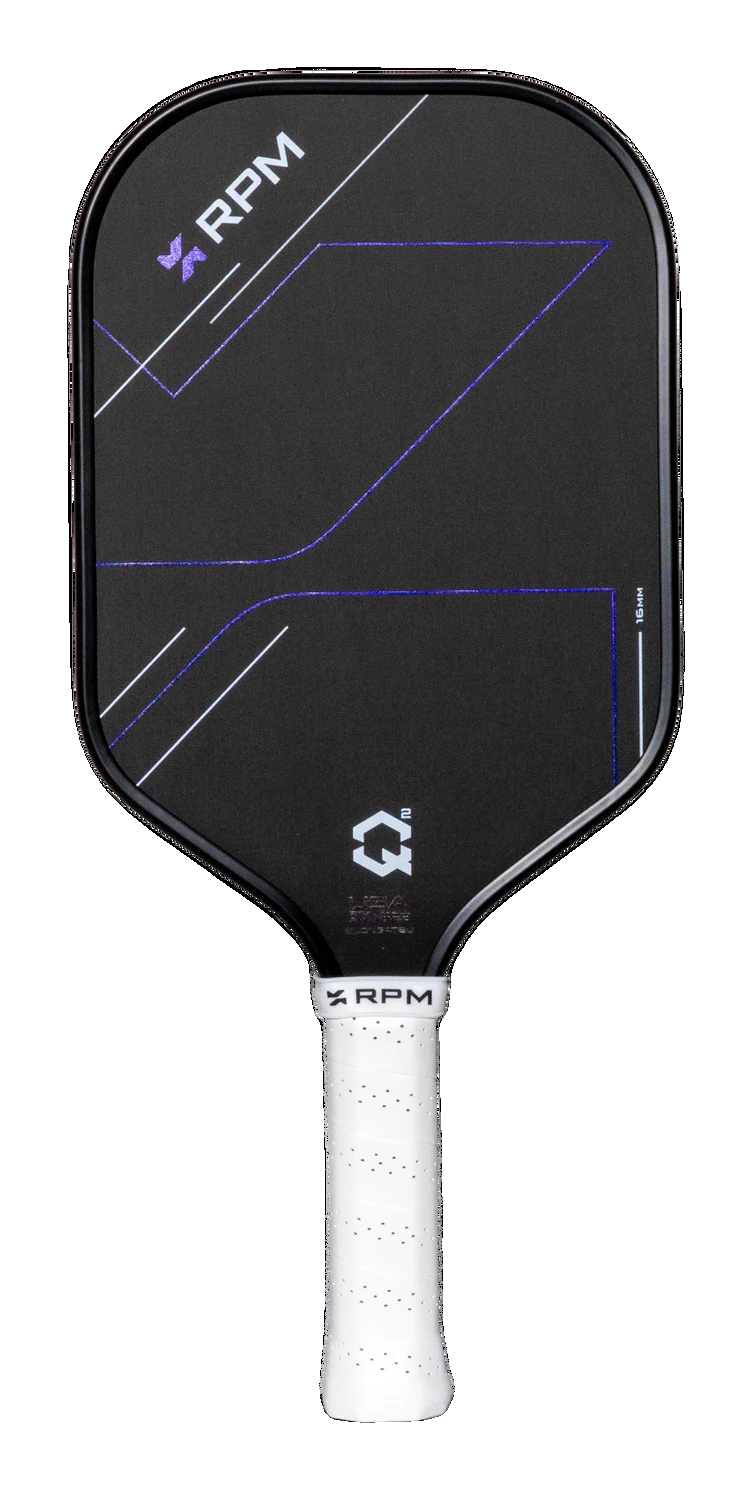
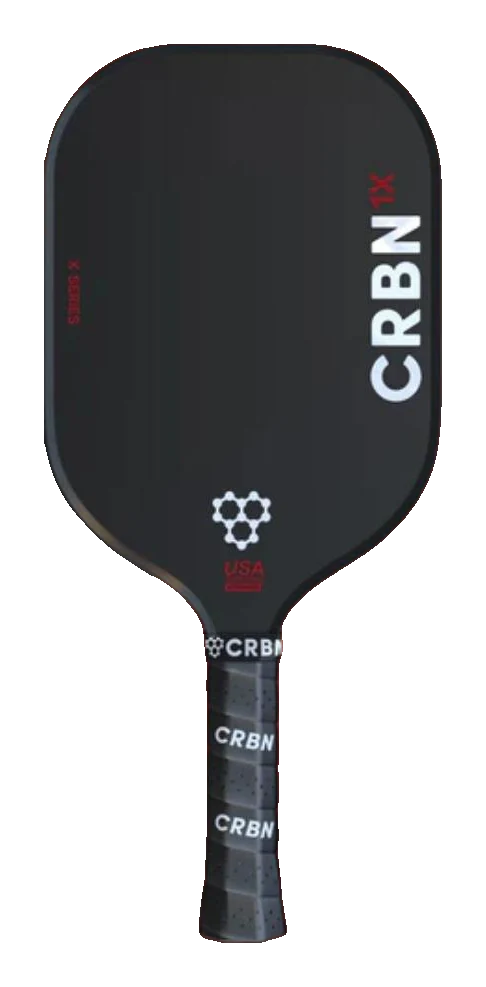
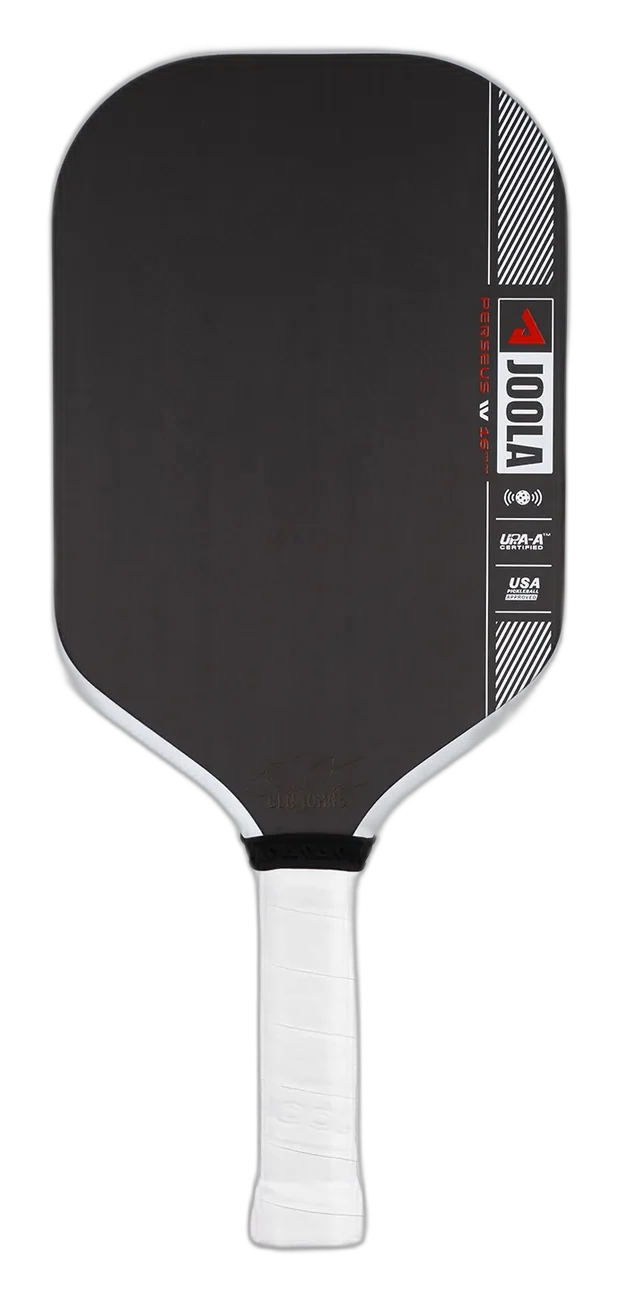
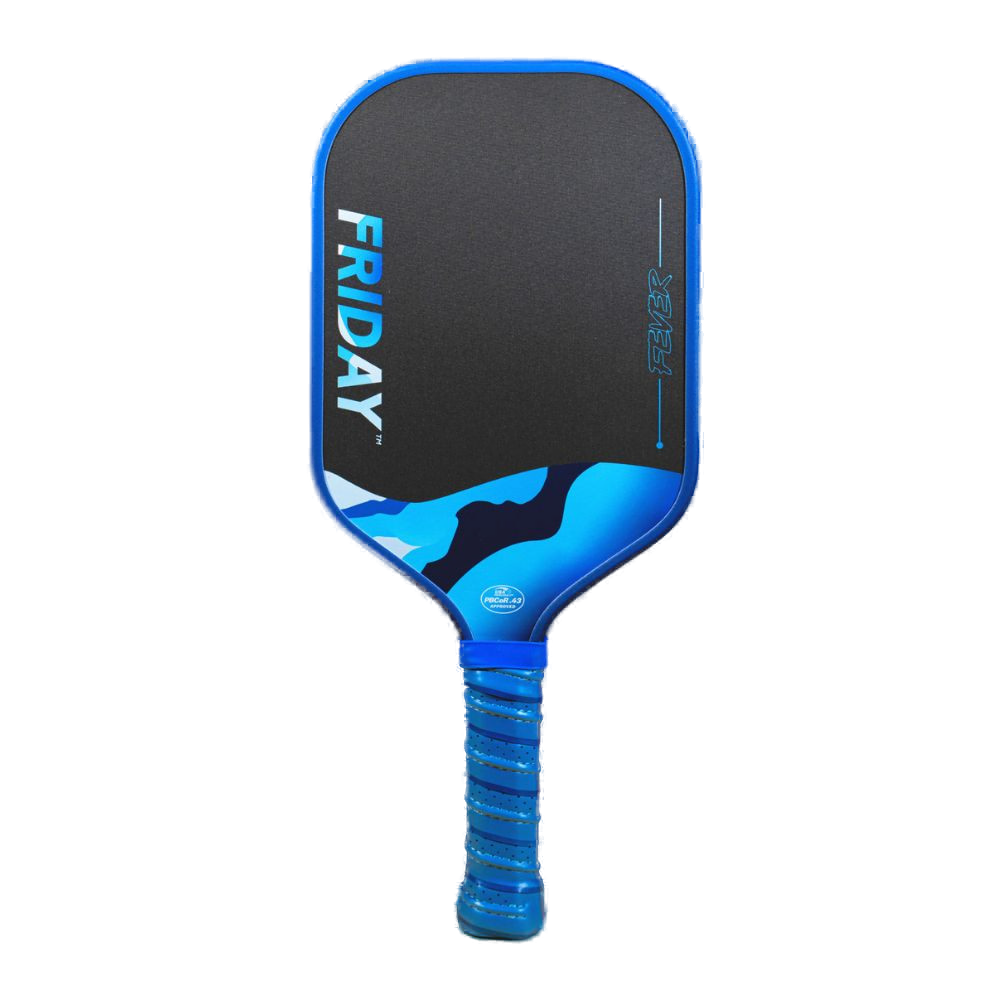
The RPM Q2 is the one to hit first if you're in Hong Kong — it's stocked locally rather than imported, so you can put your hand on it before committing. The Friday Fever is the cheap way to find out whether you actually like the shape before spending flagship money.
Hybrid — the middle that isn't a compromise
Roughly 16.2–16.4″ long and 7.6–7.8″ wide. Hybrids are the newest of the three shapes and, for most club players, the most sensible: you give up about a quarter-inch of reach against an elongated and get back a noticeably wider face.
JOOLA describes its first hybrid, the Kosmos, as "a middle-ground shape between standard and elongated… blending reach with a medium-sized sweet spot" — which is exactly the pitch. The reason this shape exploded is that it's hard to be badly wrong with one. It's fast enough for hands battles, long enough to reach a high dink, and forgiving enough that a slightly late block still goes back over.
Buy this shape if you play mostly doubles, you're between 3.0 and 4.5, or you genuinely don't know which shape you want yet. This is the safest place to spend money.
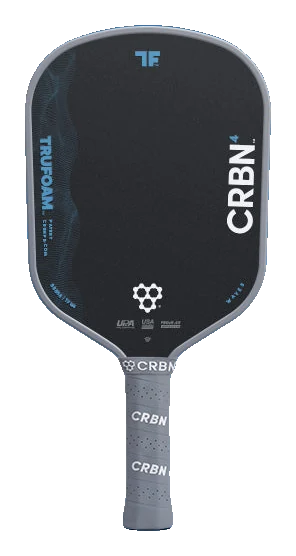
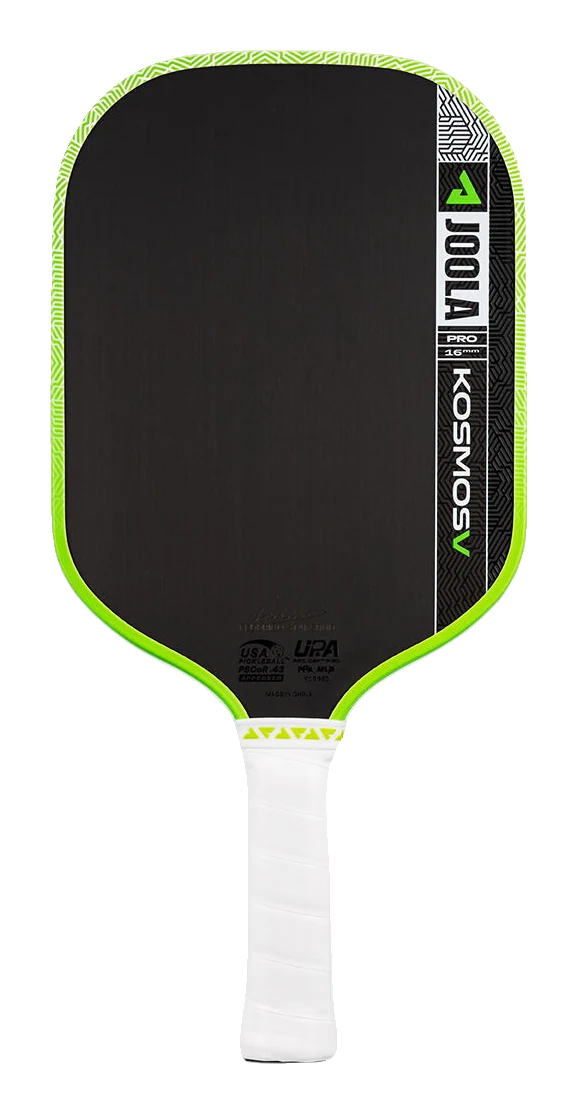
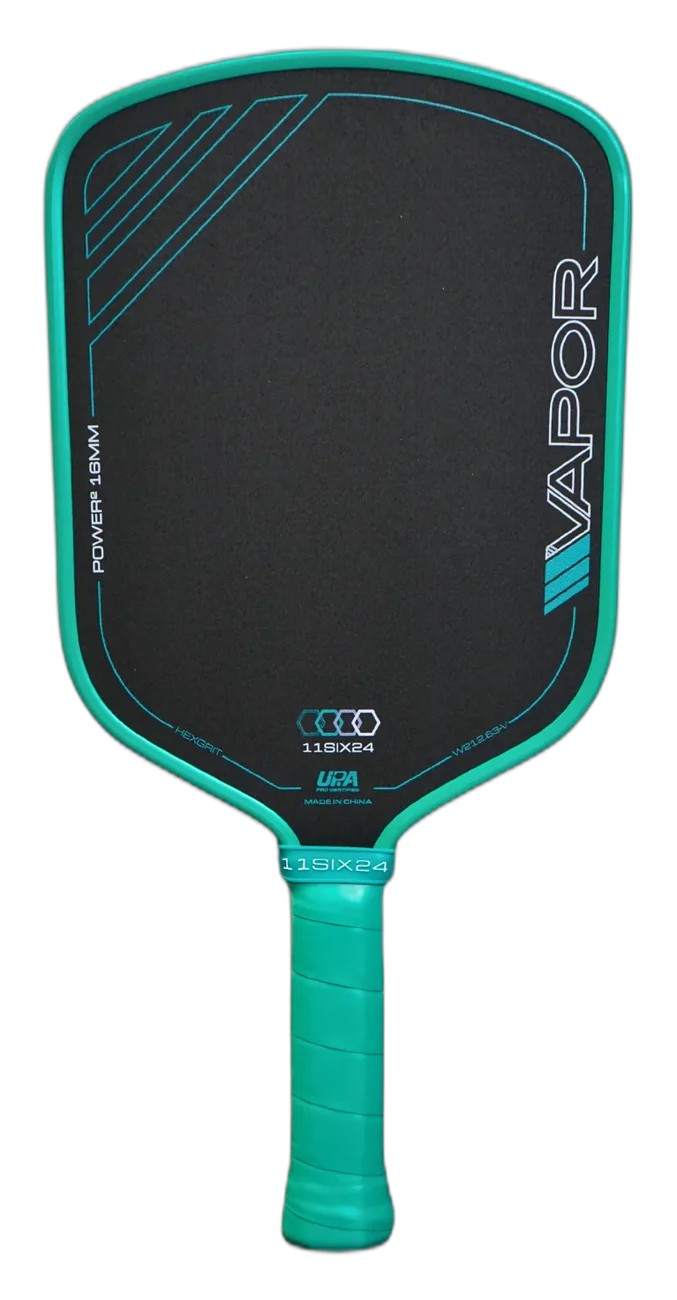
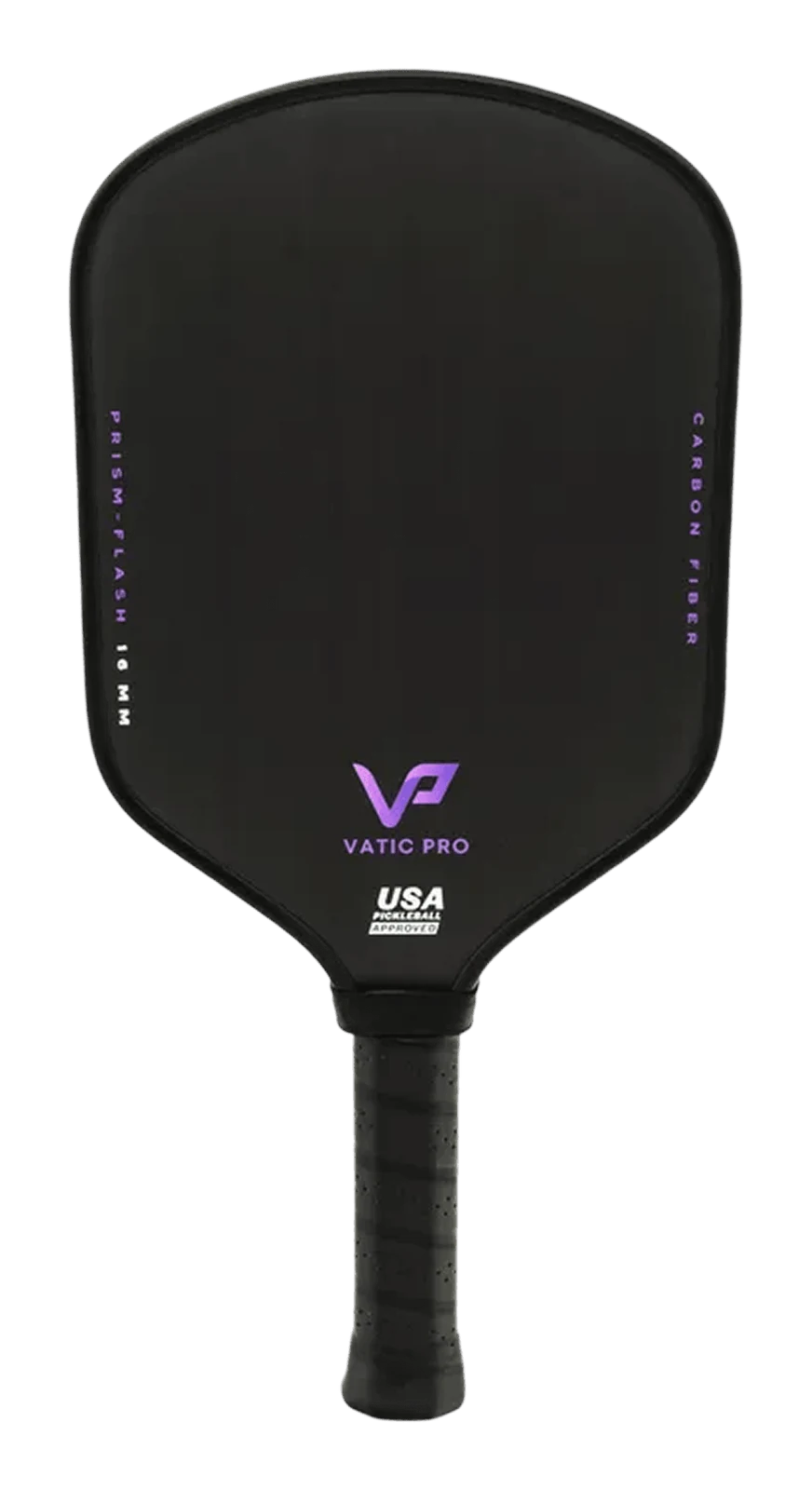
The Prism Flash is the value story of the whole guide — hybrid dimensions at well under a thousand dollars, which is why it keeps turning up as a first serious paddle.
Widebody — the biggest sweet spot you can legally buy
Roughly 15.5–16″ long and 8″+ wide. This is the original pickleball shape, and it went briefly out of fashion when everyone chased reach. It's back, because a wide face is the single most effective way to make a paddle feel easy.
Onix describes the Z5's widebody face as "great for beginner through advanced level players", and that range is honest rather than marketing. A wide paddle is quicker to rotate at the net (less mass out at the tip), more stable when you're jammed, and much kinder to the contact you make on your fourth hour of play. What you lose is the reach — and, at the top of the game, a bit of put-away power.
Buy this shape if you're new, you play a soft doubles game, you're getting jammed at the kitchen, or you've had elbow or shoulder trouble. Also buy it if you've tried elongated and quietly hated it.
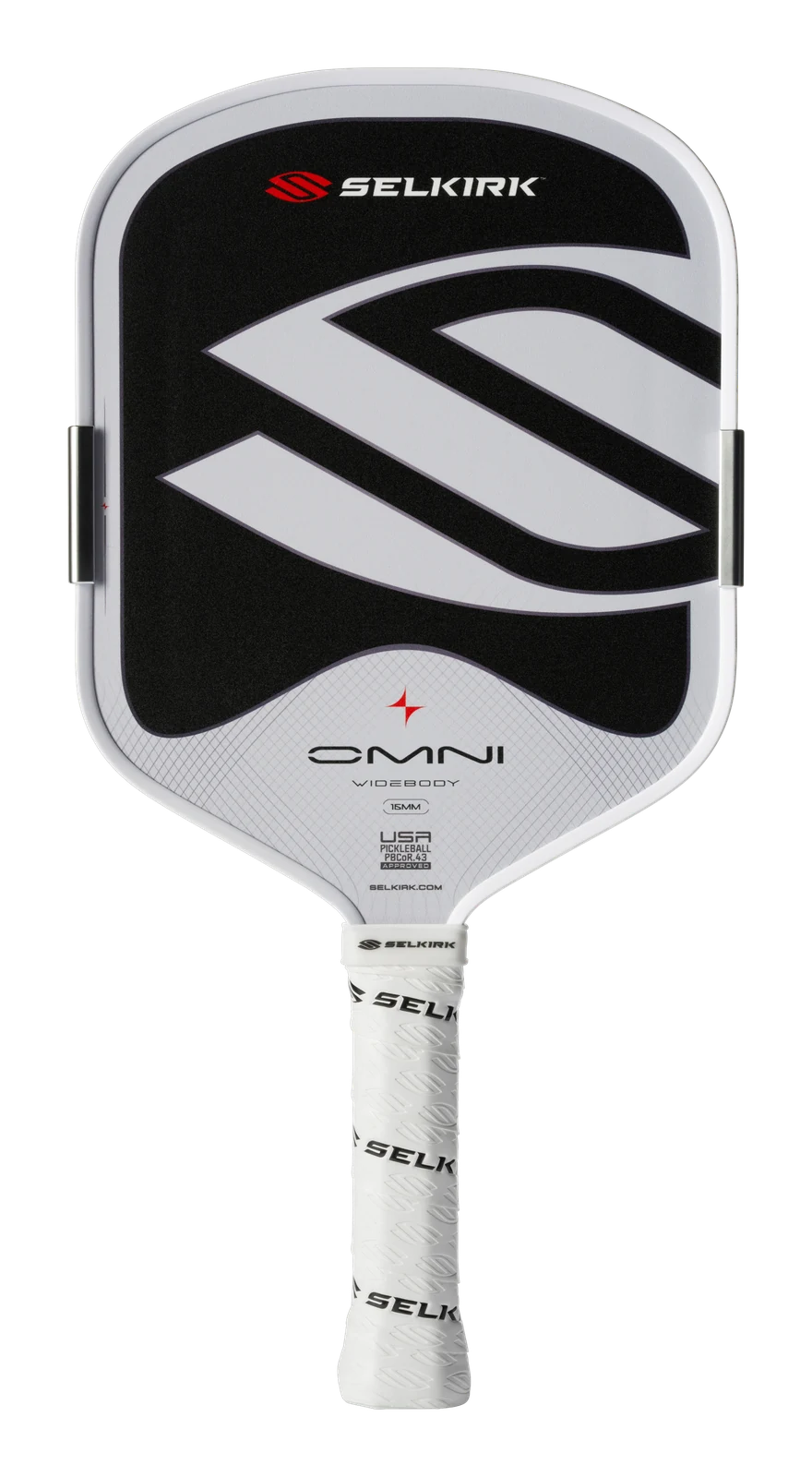
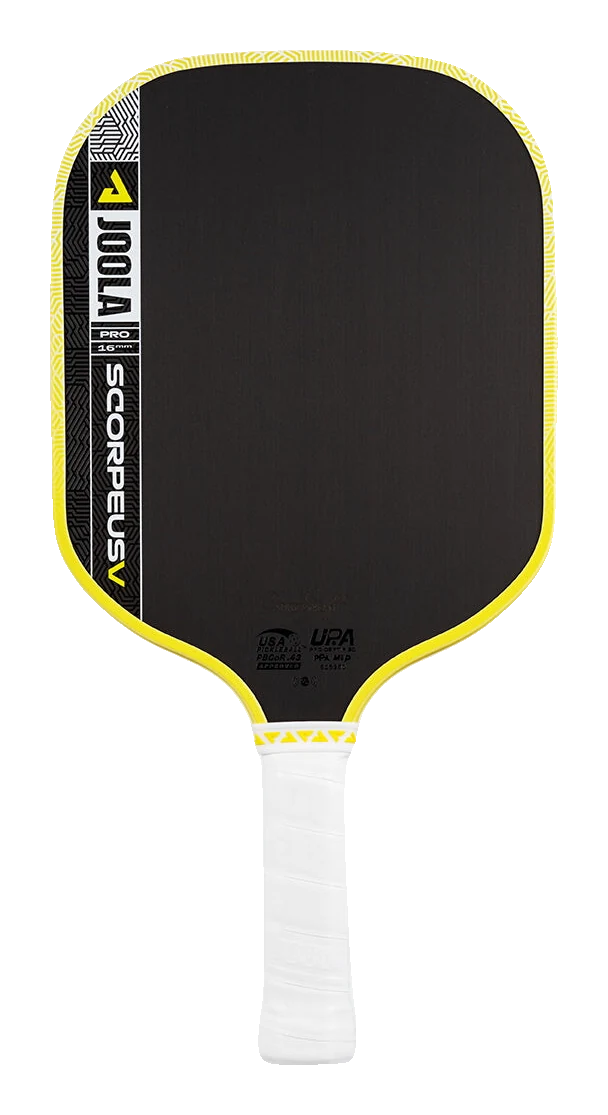
If you're buying your genuine first paddle and none of this has landed yet, start here and read our first paddle guide — the widest thing in your budget is almost always the right answer.
Nobody agrees on what to call these shapes
This is the part most guides skip, and it's the reason paddle shopping is confusing.
There is no standard vocabulary. Every brand names its own shapes:
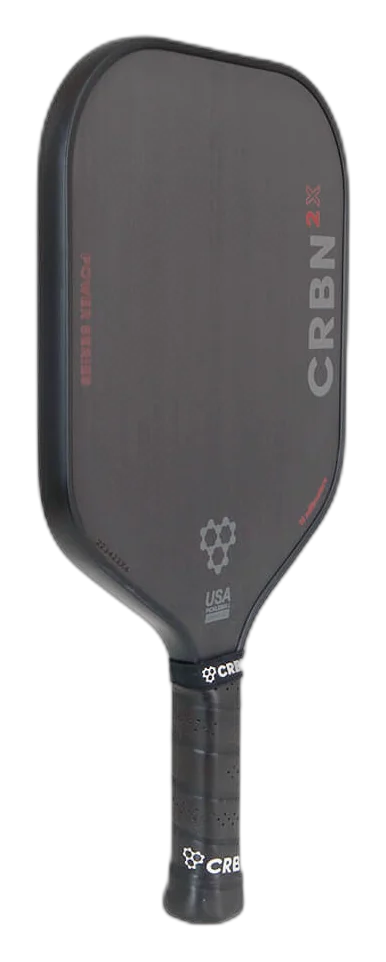
- CRBN doesn't say "widebody" at all — its shape comparison page calls that shape Standard (Square), and splits elongated into two entries depending on handle length.
- JOOLA calls the Scorpeus a widebody on its own product page, then refers to it as the "standard" shape in the copy for the Kosmos. Same paddle, two words, one website.
- Vatic Pro skips the category words entirely. Its shapes are named Flash, V7 and Bloom — you have to read the dimensions to learn that Flash is 16.2″ × 7.7″, i.e. a hybrid.
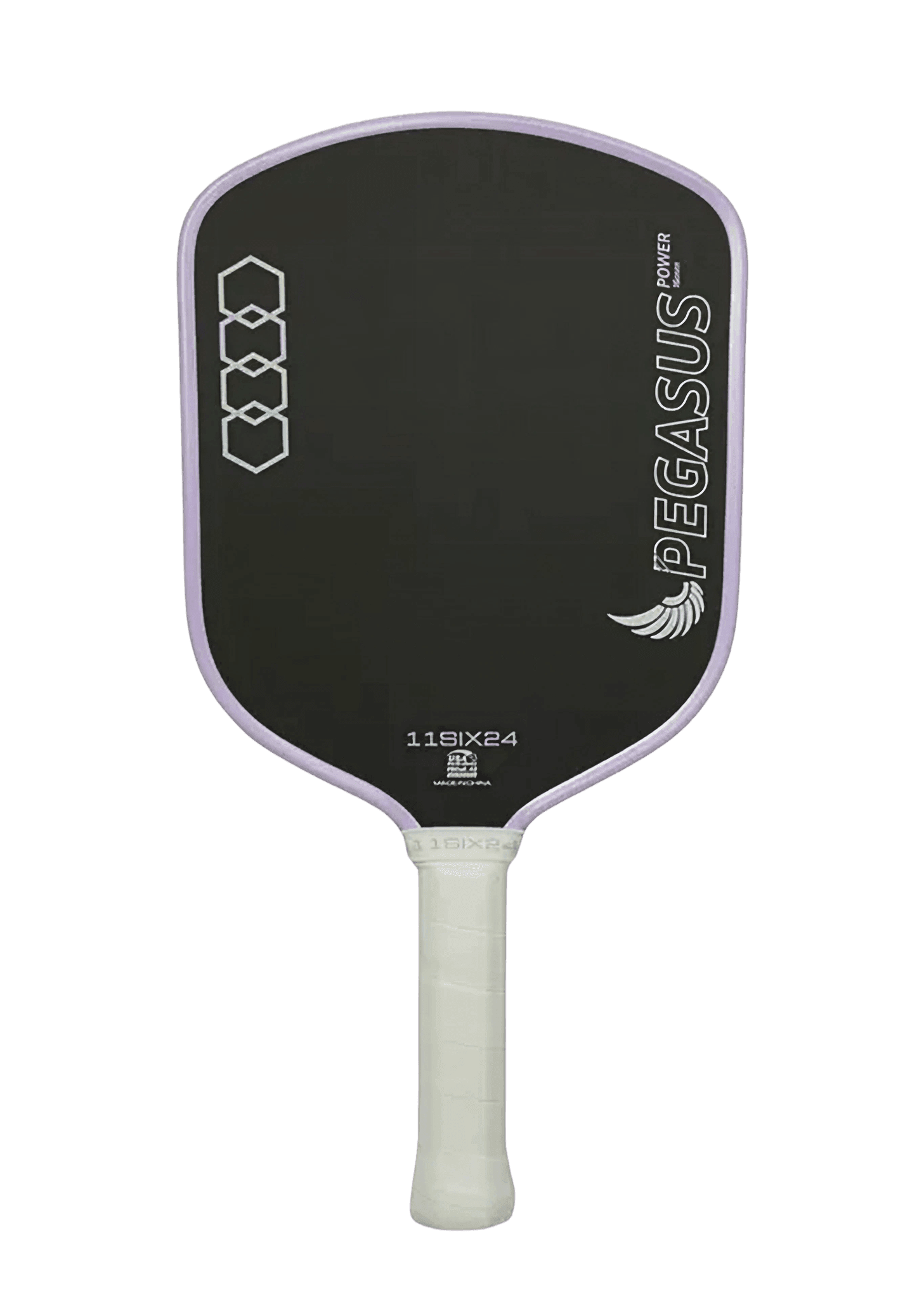
- 11SIX24 names its shapes Vapor (hybrid) and Pegasus (widebody), and expects you to learn the house language.
None of this is dishonest, but it means a shape filter on a retailer's site is only as good as whoever typed it in. Trust the two numbers, not the label. If a listing shows length and width, you already know more than the category tag does.
Some paddles are more than one shape
The other trap: several popular paddles ship in multiple shapes under a single product page and a single name. Pick the wrong variant at checkout and you've bought a completely different paddle.
- The Selkirk Omni comes in Widebody (15.95″ × 8″) and Elongated (16.5″ × 7.45″) — same product page, two shapes, and you choose with a dropdown.
- The RPM Q2 exists as 16mm Elongated and 16mm Widebody as separate listings.
- The Friday Fever 102 is sold in both elongated (16.5″ × 7.5″) and widebody (16″ × 8″), while the Fever 101 is elongated only.
So when a reviewer says "the Omni is a great paddle", ask which Omni. And when you buy locally, check the listing actually lets you choose the shape — some HK sellers list only one variant even when the brand makes both.
What shape will not do for you
Three honest limits, because shape gets oversold:
Shape is not a skill level. There is no rule that beginners must play widebody and advanced players must play elongated. Plenty of 4.5s play a wide face on purpose because their game is built on hands and resets. Shape describes a trade-off, not a rank.
Shape will not fix your contact. If you're mishitting, an elongated paddle punishes you and a widebody hides it. Neither one teaches you to watch the ball. Get a lesson, or start with our grips guide — a bad grip masquerades as a bad paddle more often than anyone admits.
Shape matters less than the core and the face once you're comparing two paddles of the same shape. Between an elongated and a widebody, shape is the story. Between two hybrids, it isn't — that's where thickness, core material and surface take over.
So which one should you buy?
If you want the short version:
- Never played, or under about 3.0: widebody. Buy the widest face in your budget, spend the savings on court time.
- Playing regular doubles, 3.0–4.5, unsure: hybrid. It's the shape least likely to be a mistake.
- Singles, tennis background, or you want a two-handed backhand: elongated, with a 5.5″+ handle.
- Coming back from elbow or shoulder trouble: widebody, and go thicker on the core while you're at it.
Then — and only then — start reading about cores.
The best thing you can do before spending real money is hit all three. In Hong Kong that's genuinely possible: some venues and shops will let you try before you buy — ask. And the locally-stocked picks above can be handled in person rather than ordered blind. Our where to buy in Hong Kong page covers who stocks what, and the full paddle database lets you filter the rest.
Fifteen minutes with all three shapes will tell you more than fifteen reviews. Including this one.